
Lanes
Sample path
Sample work and proofs go to the customer for approval before a full catalogue run.
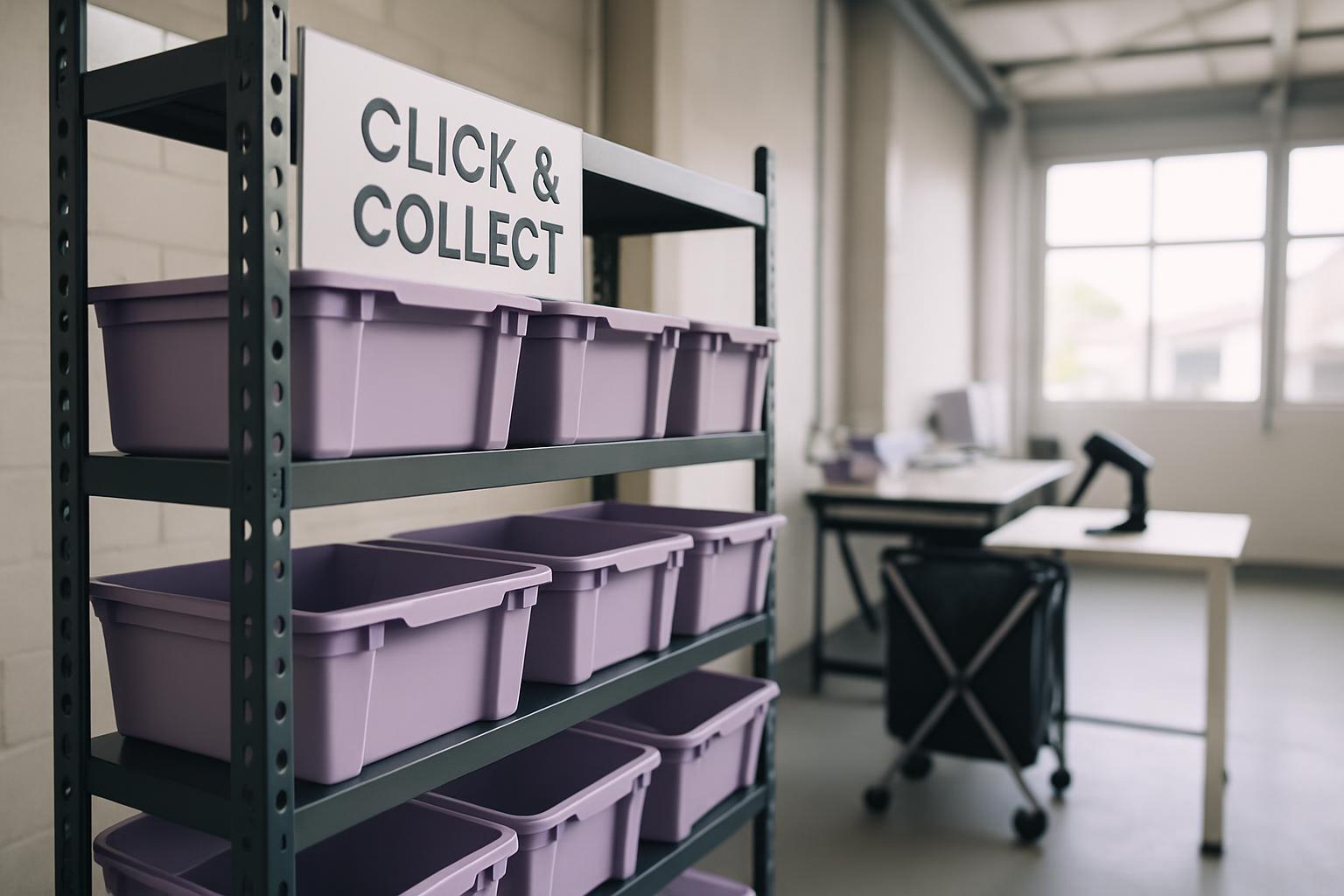
One sequence for every sample
Follow a set sequence: produce the test piece, inspect it, record the result, and request sign-off.
Before releasing the sample from your bench, check carton fit and confirm label details for catalogue ranges and fulfilment briefs planned for US retail floors.
What to keep
Records for each sample must include:
- The approved sample, labelled
- Settings written on the job card
- A description of the finished sample on the job card
Documenting Approved Results
Precise documentation of the approved result prevents misunderstandings when the next catalogue order is prepared. Write the description in plain terms, matching the actual finish and settings used, so that every team member can interpret and apply them correctly. This written record stays with the sample and job card for reference at packing and labelling stages.
Consistent wording on the job card supports repeatable quality for US catalogue drops. An approved description helps prevent later disputes about finish or configuration. Reliable records also help brands update fulfilment briefs or adjust pack formats as catalogue requirements change over time.
Sample Carton Checks
Before sending a sample for approval, place it in the intended carton type to confirm fit and protection during transit. Evaluate whether the sample shifts or compresses under normal handling and adjust internal supports if needed. Feedback on any movement or damage risk helps determine the final carton format.
Label the sample carton with the exact SKU code, destination and pack format as specified in the brief. Use clear, legible writing or printed labels to avoid confusion at later stages. After approval, keep a record of the carton and label details to match future catalogue runs, reducing the risk of mislabelling or incorrect packing.
What our E-commerce Shipping customers say
Verified Google reviews