
Home / Stories / Count the inner before you argue the invoice
Count the inner before you argue the invoice
- Note
- Field
- House
- Insta US
- orders@insta.us
A short band has started more fights than a wrong price.
The situation
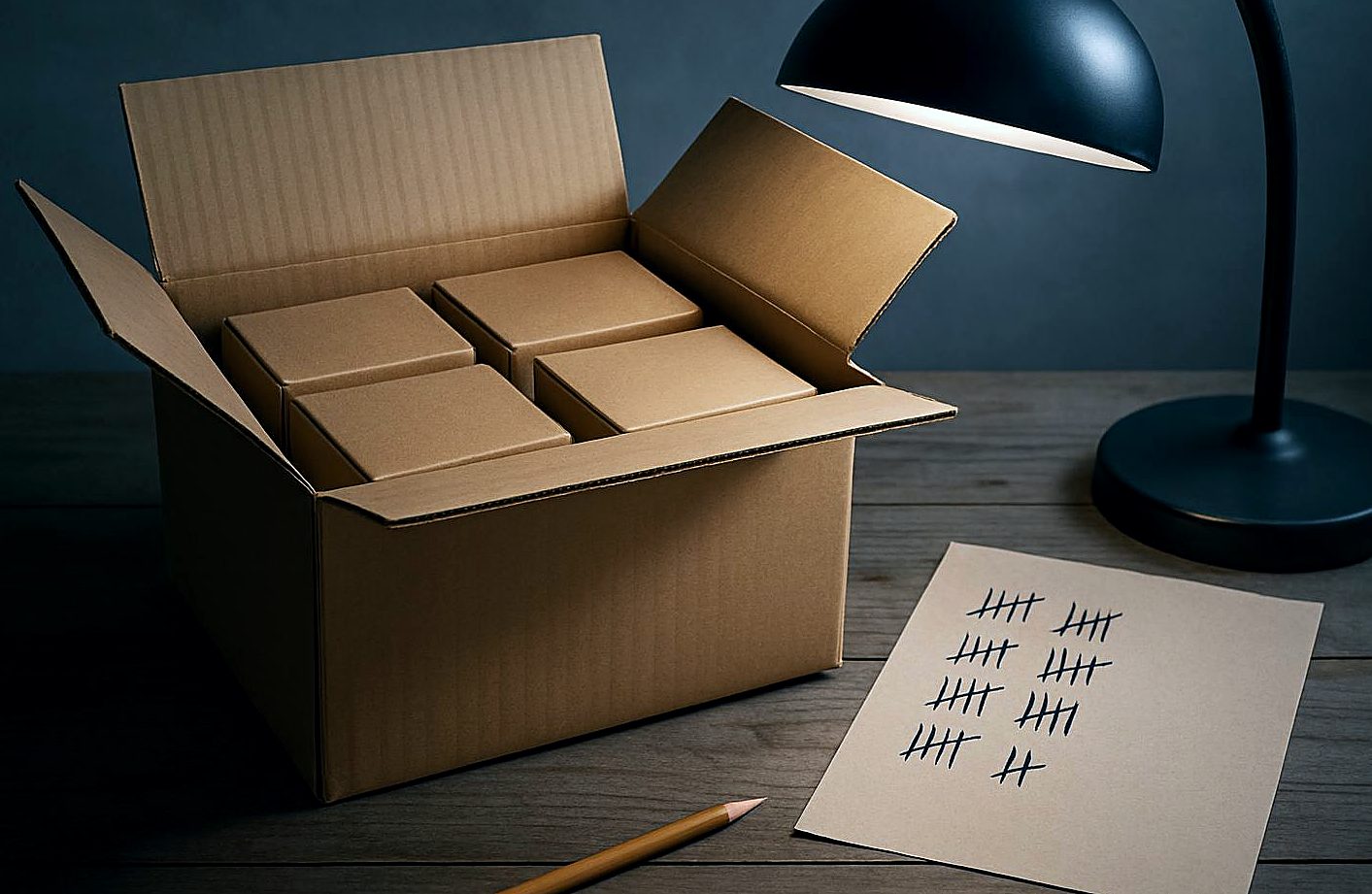
Last March a campus store wrote that a tee master was short. The flap said 24 six-packs. The invoice matched the flap. The first inner they opened was short one large. They stopped there and sent an angry note. The second inner was over by one large. A band had been swapped. The cartons was right in total and wrong in the first box they touched.
What we do with it
That is why receiving says count one fully, and a second if the first is off. It feels slow when students are at the door. It is faster than a week of emails and a recount we will ask for anyway.
What you should do
Photograph the flap, the inner, and the lot before you restack. A photo of an empty shelf does not prove the master was short. Claims start from what the yard photographed at the door and what you photographed the same day.
The limit
Prices are the easy part. If the invoice line does not match the code you ordered, say that in the first sentence. If the price matches and the count feels off, open the second inner before you use the word short. Most shorts are a band. Some are real. The second count tells you which.
If this note matches a carton in your room, reply on the order thread rather than starting a fresh complaint. Codes and photos beat a retelling. The sheets are the durable version of these stories, and the windows are the clocks the stories keep bumping into.
Keep going
If this is your carton
A short band has started more fights than a wrong price. Reply on the order thread with the code and the ASN. A fresh email titled with the story name loses the history Count the inner before you argue the invoice is trying to protect. One issue per note. Photos of the flap and the inner beat a paragraph about how the week felt.
Match the story to a sheet before you invent a local rule. Receiving, claims, appointments, and weather already say what the yards will do. Count the inner before you argue the invoice is the reason those sheets are short. They were written after a real miss, not before a campaign.
Same-week still means the named window when the apron is working. It does not mean a customer holding the good at 10:00, and it does not overrule ice, heat, or a locked shop. If you need a date that cannot slip, the carton has to be in your room the week before. Count the inner before you argue the invoice is a floor note, not a guarantee you can forward to a vice president unchanged.